


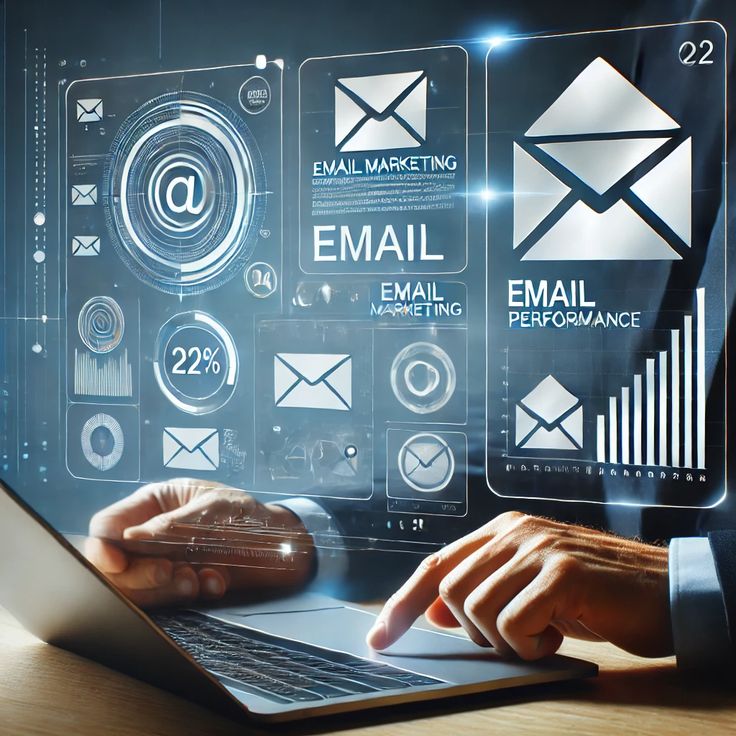
Email marketing remains one of the most effective digital marketing channels for building relationships, driving traffic, and increasing sales. To succeed, you need to apply proven strategies that improve engagement and encourage action. These Email Marketing Best Practices for Higher Open Rates and Conversions will help you get better results from every campaign you send.
Why Email Marketing Still Works
Email marketing is powerful because it gives you direct access to your audience without relying on social media algorithms or paid ads.
Key benefits include:
- Direct communication with subscribers
- High return on investment (ROI)
- Full control over your audience list
- Easy tracking and analytics
- Strong conversion potential
When done correctly, email marketing can become one of your most profitable channels.
1. Build a Quality Email List
Your results depend heavily on the quality of your subscribers.
Best practices:
- Use signup forms on your website
- Offer lead magnets (free guides, discounts, or resources)
- Avoid buying email lists
- Focus on attracting interested users
A smaller engaged list performs better than a large inactive one.
2. Write Compelling Subject Lines
The subject line is the first thing users see and determines whether they open your email.
Tips for better subject lines:
- Keep it short and clear
- Create curiosity
- Highlight value or benefit
- Use numbers or questions
- Avoid spammy words
Example: “3 Simple Ways to Boost Your Online Sales Today”
3. Personalize Your Emails
Personalization increases engagement and builds trust.
You can personalize emails by:
- Using the subscriber’s name
- Sending targeted content based on interests
- Segmenting your audience
- Recommending relevant products
Personalized emails feel more human and relevant.
4. Focus on Valuable Content
People open emails that benefit them.
Your emails should include:
- Helpful tips
- Educational content
- Exclusive offers
- Industry updates
- Step-by-step guides
Always prioritize value before promotion.
5. Optimize Email Design
A clean and simple design improves readability and engagement.
Best practices:
- Use short paragraphs
- Include clear headings
- Add bullet points
- Make it mobile-friendly
- Use images only when necessary
A clutter-free email improves user experience.
6. Include a Clear Call-to-Action (CTA)
Every email should guide the reader to take action.
Strong CTA examples:
- “Read More”
- “Download Now”
- “Get Started Today”
- “Claim Your Offer”
Keep your CTA simple and focused on one goal.
7. Segment Your Audience
Segmentation helps you send the right message to the right people.
You can segment based on:
- Interests
- Location
- Purchase behavior
- Engagement level
- Signup source
This improves open rates and conversions significantly.
8. Test and Improve Your Emails
Testing helps you understand what works best.
Try testing:
- Subject lines
- Email layouts
- Sending times
- CTA styles
Use results to improve future campaigns.
9. Send Emails at the Right Time
Timing affects open rates.
Best practices:
- Test different days and times
- Understand your audience behavior
- Avoid sending too frequently
- Maintain a consistent schedule
Finding the right timing increases engagement.
10. Track Your Performance
Always measure your email marketing results.
Important metrics:
- Open rate
- Click-through rate
- Conversion rate
- Bounce rate
- Unsubscribe rate
Tracking helps you optimize your strategy over time.
Common Mistakes to Avoid
- Sending too many emails
- Using spammy subject lines
- Ignoring mobile users
- Not segmenting your audience
- Focusing only on selling
- Neglecting performance tracking
Avoiding these mistakes improves long-term success.
Final Thoughts
Applying these Email Marketing Best Practices for Higher Open Rates and Conversions will help you build stronger relationships with your audience and increase your marketing performance. Focus on delivering value, personalizing your messages, and continuously improving your strategy.
Email marketing is not just about sending messages—it’s about building trust, engaging your audience, and guiding them toward meaningful action. With consistency and the right approach, you can achieve higher open rates, better engagement, and stronger conversions.